Retracing our Paths - Remembering Our Origins
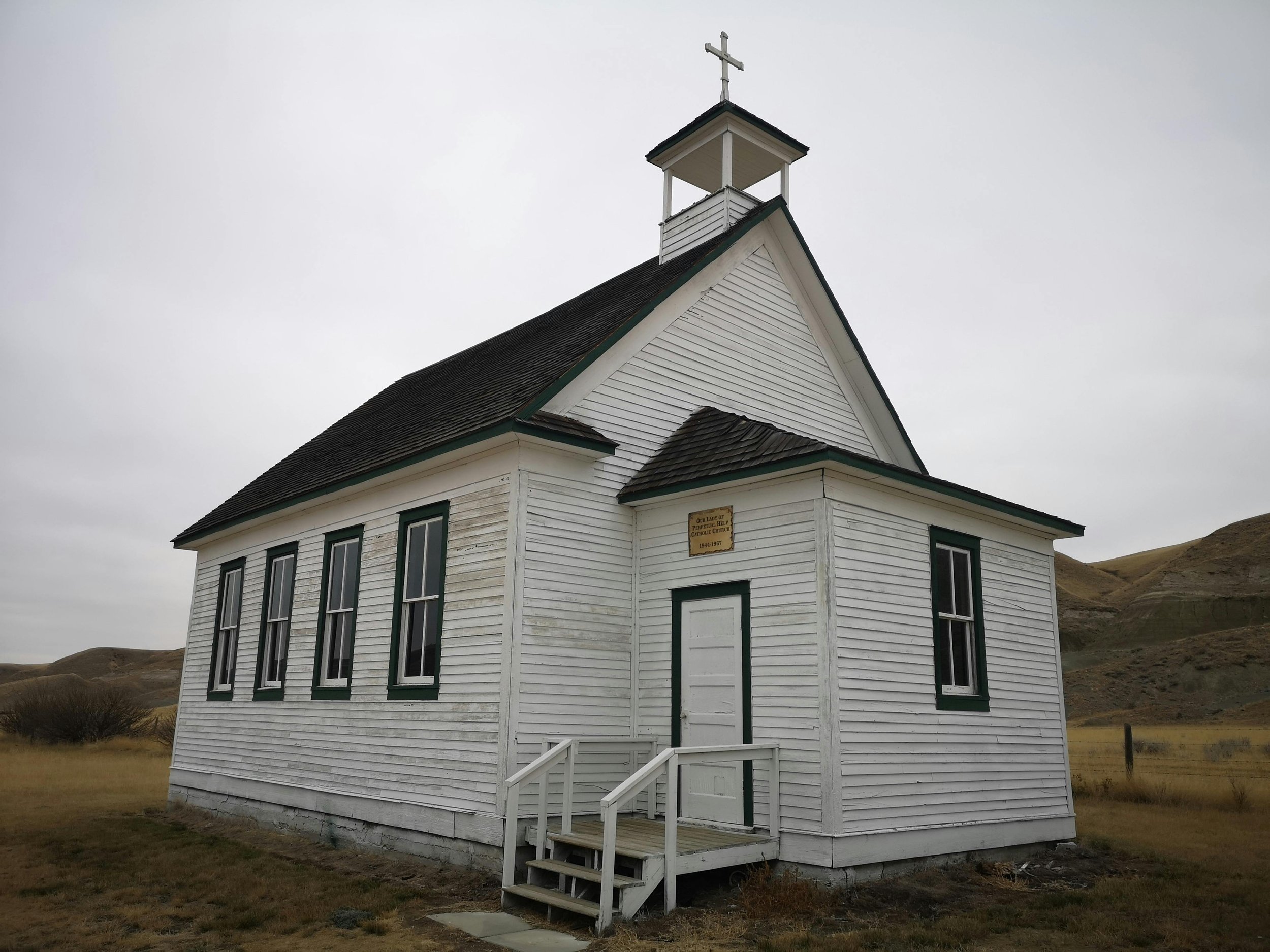
Photo by Lindsey Mataeo
B E L I E F
“When it feels disheartening to learn that trauma changes the brain, remember that healing changes the brain too.”
-Poppy Leigh
By Sterling Hawkins, MSW, LCSW, LICSW
I want to end this series with "Belief" because beliefs shape our values and define our spiritual, moral, and ethical core. Belief is more than a religion. It's also about a connection to something greater than oneself. There are many types of Belief Systems. Let’s examine some of them:
Religious- embodies questions about the nature of the divine, the afterlife, and moral standards.
Scientific- influences our understanding and interpretation of natural and physical phenomena.
Philosophical- seeks to answer life’s fundamental questions about our existence, reality, knowledge, values, and morality.
Political- shapes how societies should be organized, and the distribution of power, rights, and resources for the populace.
Economic- defines how societies produce, distribute, and consume goods and services.
Cultural- examines a collection of beliefs, values, and attitudes that are shared by members of a particular culture, that shape their worldview. (Drew, 2023)
From this short list, we see that Belief Systems are diverse, complex, and share some things in common.
In the beginning, before civilizations evolved, there was a connection, an attachment, an intimacy, and rootedness in the sacredness of everyday life, which philosopher Thomas Moore calls the primary source of religion. (Moore, 1992, p.203)
Religious belief systems must provide a sense of structure and predictability, in conjunction with established guidelines that aid a person's ability to distinguish right from wrong when coping with difficult life circumstances. It should also teach compassion, forgiveness, and gratitude. And finally, it should provide a community that offers support and safe social engagement. (Nami & Nami, 2024)
However, over time, this awareness of the sacred was lost. While many reasons can be attributed to this, it is critical to understand what has happened in the context of forced migration that was experienced by Black people who were enslaved along with other Indigenous groups for 300 years (1500s - 1860s).
What was lost was more than a native homeland, property, and cultural wealth. What was lost was an identity centered on traditional and legendary stories woven into rituals and origins of myth and historical facts.
African Americans, due to the many atrocities described in my previous essays, have both a fragile and durable sense of identity because of what has been taken from us. And because of what we have had to do to rebuild and restore it. Fragile in the sense that many of us have been in recovery for decades from retracing the effects of racism, sexism, ageism, and economic injustice. At the same time, we are made more durable by remembering our origins- community, family, faith, perseverance, and social justice.
Intergenerational Trauma is at the root of many evils. Our trauma experiences shape what we believe and influence how we behave, even without our conscious awareness.
When Africans were transported to an alien land and enslaved, the effect was no less than shattering. Dispossession destroyed their traditional culture and disrupted social organization, depriving them of their orientation to the world as it had previously been known. "The organization of labour and the system of social control and discipline on the plantation both tended to prevent the development of social cohesion on the basis of whatever remnants of African culture might have survived or on the basis of the Negroes’ role in the plantation economy." (Frazier 1969, p.3)
Colonization and enslavement prohibited Africans from preserving their native language. The transient nature of plantation life, where man, woman, or child could be sold on a whim, contributed to this loss of cultural heritage. Moreover, it was nearly impossible for the enslaved to meet openly or assemble without the presence of a white overseer. This applied especially to their gathering for religious purposes. (Frazier, 1969, p.3)
“Men, women, and children who were captured and transported to the Americas on slave ships brought with them their own religious beliefs and practices. Some were practitioners of African traditional religions like Yoruba and Vodun; others were Muslim or Catholic. But they were all often seen as heathens by the colonists, who found justification for enslaving them in interpretations of biblical scriptures. " (Hannah-Jones & Magazine, 2022, p. 340)
Yoruba and Vodun were the primary West African-based religions with shared origins. Both believe in a supreme God and venerate deities that serve as intermediaries between God and humanity. Both utilize divination to seek guidance and insight into current and future situations. They each utilize rituals, ceremonies, and offerings to connect with the spiritual world and to seek blessings and guidance. (Encyclopedia of African Religion, 2009)
Their differences are minor. First, geographically, Vodun originated primarily among West African cultures, and Yoruba was practiced mainly in southwestern Nigeria. Second, rituals and ceremonies - While both religions share the veneration of ancestors, Vodun differs in that it incorporates more elements of nature and physical objects. In contrast, Yoruba culture emphasizes honoring the spirits of the dead, who are believed to have a profound influence on the living. (Encyclopedia of African Religion, 2009)
While there are other religious belief systems throughout the African continent, most traditional African religions share similarities with the Yoruba and Vodou practices.
Enslaved Africans in time, however, would gradually be introduced into the religious life of their white masters and learn to adapt many of their beliefs from the old world to the new. (Frazier, 1969, p.3).
Traditional beliefs in West African religions can be further categorized by examining the characteristics that define the unity of most religious belief systems, both ancient and modern. I have listed below what I believe to be the five most essential characteristics that have remained and that have been integrated into contemporary culture:
Belief in a Supreme Being - Ancient and modern religions acknowledge the belief in a single, all-powerful creator or deity.
Afterlife and the Soul - When a person dies, their soul continues to exist in a different realm or state.
Ancestral Reverence - Honoring and respecting ancestors, both living and dead, is a way to remain connected to the past.
Sacredness in Nature - The natural environment offers humanity resources both for survival and for its beauty to be admired.
Moral Codes and Ethics - Ancient and modern beliefs incorporate moral codes and ethical guidelines that govern social behavior and interaction.
It's interesting to note that many of these general characteristics are found not only in traditional African religions but also in religious beliefs worldwide, making them universal.
I cannot speak about Black culture without acknowledging the Black church. You may be asking what the Black church is, and how the Black church differs from any other church. I want to take a few minutes to explore the concept of the Black church from a historical perspective, rather than a contemporary or denominational one.
The term "the Black Church" evolved from the phrase "the Negro Church," the title of a pioneering sociological study of African American Protestant churches at the turn of the century (1903) by W.E.B. Du Bois. African Americans, however, preferred instead to think of themselves as belonging to denominational affiliations such as Methodist, Baptist, Presbyterian, or Catholic. "The Black church was never monolithic. Its people are diverse and its churches highly decentralized." (God in America- the Black Church, n.d.)
"The black church refers to the collective religious institutions and communities established by African Americans, which serve as a foundation for spiritual growth, cultural identity, and social activism. This institution has played a crucial role in the development of African American religious traditions, providing a space for worship, community building, and resistance against oppression throughout history.” (Intro to African American Studies Review- Key Term- the Black Church, n.d.)
There is general agreement with this definition and the concepts have broad implications. While the contemporary expression of religious beliefs within the African American community may be diverse, all mainstream denominations share a common root in the belief in a Supreme Being or Creator, as well as a Moral and Ethical Code. The application of this belief varies among multi-ethnic churches. But, because of the injustice inflicted on African Americans, most Black churches focus on a theology that integrates education, economic empowerment, and social welfare with how all of humanity should live and be treated by others. Racial oppression resulted in the loss of social cohesion within the Black community, and the need to retain and pass down the practices that have preserved the culture, however challenging that might be.
Social cohesion is the strength of relationships and the solidarity among members of a community. It influences how people interact, collaborate, and support one another. It is the integration of diverse individuals into a unified whole, promoting a sense of trust and mutual respect among members, reducing social conflict, and enhancing cooperation. Various factors contribute to social cohesion, including cultural, economic, political, and religious elements. "Religion often plays a significant role by providing a common set of values and beliefs that unify individuals and strengthen community bonds." (Devappa, 2014)
The Black Church comprises all of these things. And like all major religions, it establishes a rationale for belief. A rationale some may find hard to define or refuse to accept but exists nonetheless within the soul of every living being.
Because the influence of religious belief is so prevalent not only within the African American community but among society in general, I cannot ignore its potential to aid those afflicted by the effects of Intergenerational Trauma or provide insight that may explain the psychosocial dilemmas that have become woven into our daily habits and interpersonal relationships.
As a clinical social worker, this is where I find myself- working through my own trauma and the collective traumas of others, while asking the question- What are the most helpful therapeutic practices that bring healing to those who identify with a religious belief system in the African American community?
So, when working with African American clients who acknowledge a history that is assessed by a therapist to be linked to intergenerational trauma, and who engage in some form of spiritual (religious or unidentified) belief system, the following list provides several essentials for working with this population.
Historical Context:
Mental health providers working with African American clients should be aware of the unique historical and cultural context that has shaped their clients' experiences. This includes understanding the impact of slavery, Jim Crow, and institutional racism on mental health.
Cultural Competence:
Providers must be sensitive to the cultural beliefs and values of African American families, while respecting their diverse experiences and acknowledging the significant roles of community and family in the healing process.
Addressing Stigma:
African Americans may face stigma surrounding mental health treatment. Therefore, providers should create an environment that allows clients to feel comfortable seeking help.
Family History:
Encouraging clients to explore their family history can help them understand the origins of intergenerational trauma and identify patterns of resilience and survival.
Empowerment and Resilience:
Providers of services should emphasize the strength and resilience of African American individuals and their families, helping them identify their sources of strength and effective coping mechanisms.
A Final Word
Many clients have distanced themselves from their religious beliefs (if they were raised in a particular faith tradition) because they have experienced emotional and/or physical trauma from persons who were once deemed trustworthy but proved otherwise. Or, for reasons more germane to its (religion's) perceived failure in providing relevant alternatives in line with a secular worldview. Regardless of the reasons, practitioners working with all individuals, irrespective of their ethnicity, must first be aware of their own positive or negative experiences with a faith tradition and work with clients who express an interest in exploring their spirituality within or outside of their identified faith tradition with curiosity and non-judgment. (Spirituality and Therapy: Reinvention, Doubt and Healing, 2024)
As with all trauma-work, clients who present with complicated histories involving intergenerational trauma require a safe space to be heard by the therapist and allowed to tell their unique story, while expressing emotions that have been repressed, that are labeled as bitterness, shame, or guilt in relating how they have felt betrayed by their faith or family who committed harm in the name of religion.
African Americans may need help re-examining their belief systems, values, and faith traditions, while expressing doubt and struggling with contradictions between what they were taught and their lived experiences. This can involve identifying sources of conflict, finding new meaning in or interpretations of traditional beliefs and practices, and creating new spiritual practices aimed at personal transformation.
Ultimately, by inviting people of color to retrace their past and remember their origins, mental health providers are educating others to find religious and/or spiritual practices aimed at healing from trauma. The healing of longstanding wounds resulting from intergenerational trauma is a process that requires grieving the loss, developing meaningful personal rituals or social activities, and remembrances aligned with the client's interest and knowledge about what they think will be helpful, not only in addressing their own trauma but also similar trauma identified within their families and their community.
____________________________________________________
References
Devappa, M. K. (2014). THE ROLE OF RELIGION IN SOCIAL COHESION. In International Journal of Research and Analytical Reviews (IJRAR), International Journal of Research and Analytical Reviews (IJRAR) (Vol. 1, Issue 3, pp. 360–362) [Journal-article]. https://www.ijrar.org/papers/IJRAR19D5972.pdf
Drew, C. (2023, September 7). Belief Systems: Definition, Characteristics & Examples (2025). Helpful Professor. https://helpfulprofessor.com/belief-systems/
Encyclopedia of African Religion. (2009). Sage Publications. Retrieved May 28, 2025, from https://afroart.ru/books/Encyclopedia-of-African-religion.pdf?srsltid=AfmBOopCBfvbf-hX-0dsLkzwvEtBTGrJmJly5uU0JUEQCFkLODLMdPF2
Frazier, E. F. (1969). The Negro Church in America [by] E. Franklin Frazier.
God in America- the Black Church. (n.d.). https://www.pbs.org/wgbh/americanexperience/features/godinamerica-black. Retrieved May 28, 2025, from https://www.pbs.org/wgbh/americanexperience/features/godinamerica-black
Hannah-Jones, N., & Magazine, N. Y. T. (2022). The 1619 project: A New Origin Story. National Geographic Books.
Intro to African American Studies Review- Key Term- The Black Church. (n.d.). https://library.fiveable.me/key-terms/introduction-african-american-studies/black-church. Retrieved May 28, 2025, from https://library.fiveable.me/key-terms/introduction-african-american-studies/black-church
Moore, T. (1992). Care of the Soul : How to add depth and meaning to your everyday life. http://ci.nii.ac.jp/ncid/BA46460909
Nami, & Nami. (2024, February 7). The mental health benefits of religion & spirituality. National Alliance on Mental Illness (NAMI). https://www.nami.org/faith-community-leader/the-mental-health-benefits-of-religion-spirituality/
Spirituality and therapy: Reinvention, doubt and Healing. (2024, December 12). Heal Your Roots Wellness. https://www.healyourrootswellness.com/blog/spirituality-and-therapy-reinvention-doubt-and-healing-from-religious-trauma/?srsltid=AfmBOorESHaRdFxjHvdD_qgO4uoA9VWwoD7WlZ2M7GhKOGE1AbbX2IyH